
Yaki Udon Noodles

A quick, savory stir-fry of thick udon noodles, tender chicken, and crisp vegetables finished with sesame aroma and scallions—ready in about 25 minutes.
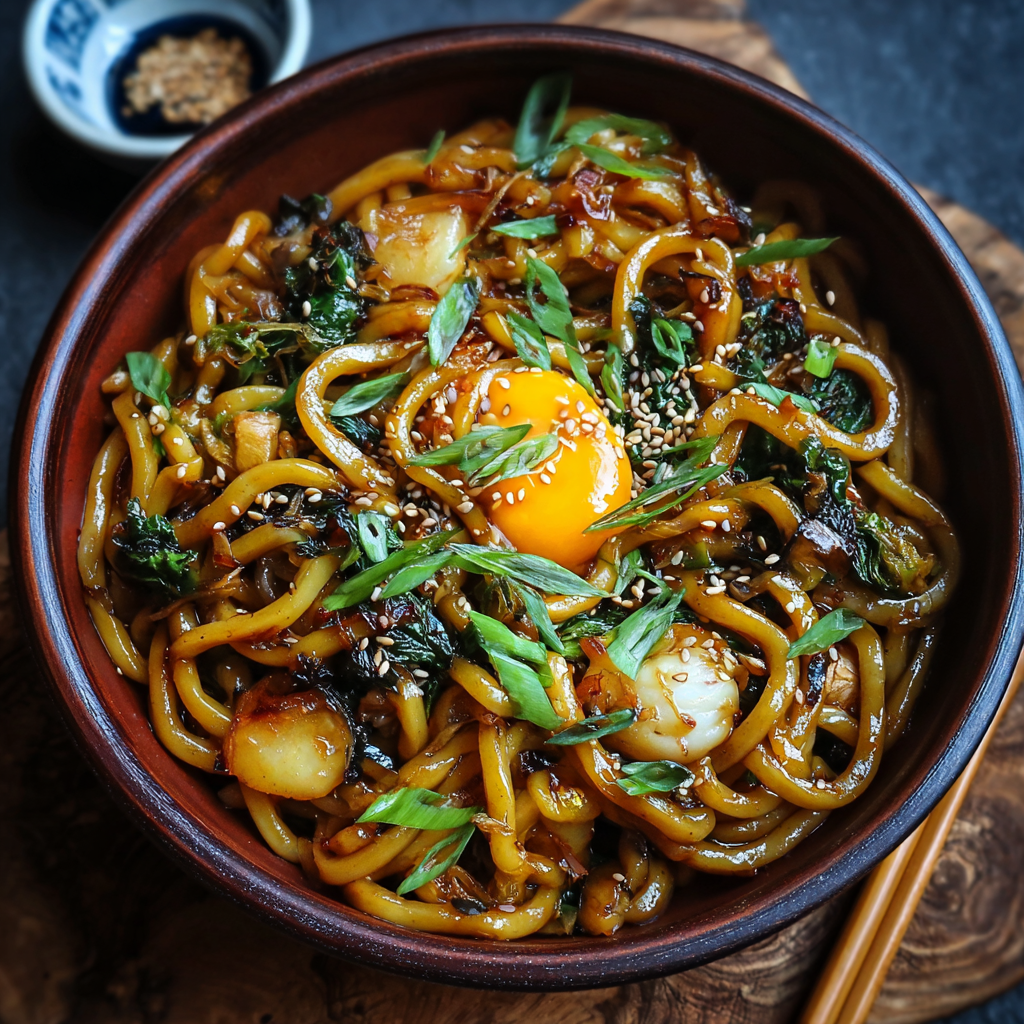
This Yaki Udon Noodles dish has been a weeknight lifesaver in my kitchen ever since I first threw together a pan of udon, leftover chicken, and whatever vegetables sat in the crisper. I discovered this combination on a rainy evening when I wanted something fast, comforting, and texturally satisfying. The thick, chewy udon provides a delightful mouthfeel while the caramelized chicken and crisp peppers add contrast. It is the kind of meal that fills the kitchen with savory steam and has a way of drawing family members by the sound of a sizzling skillet.
What makes this dish special is its simplicity and balance. With just a handful of pantry staples and fresh produce, you can have a restaurant-style plate in under 30 minutes. The toasted sesame oil brings a warm, nutty aroma, while the low-sodium soy sauce and a splash of broth create a glossy coating that clings to each noodle. I prefer using fresh chilled udon when available for the best chew, but dried or frozen versions also work perfectly when prepared according to package directions.
Why You'll Love This Recipe
- Ready in about 25 minutes, ideal for busy weeknights when you want something fast yet satisfying.
- Uses pantry staples like soy sauce and sesame oil, plus versatile udon that holds sauce beautifully and delivers a chewy texture.
- Balanced meal with protein, vegetables, and carbs in one pan; easy to scale up for guests or halve for solo dinners.
- Make-ahead friendly: cook components separately and combine just before serving to maintain texture and freshness.
- Crowd-pleasing flavors that are customizable for dietary needs; swap proteins or use gluten-free tamari as needed.
- Minimal cleanup: a single skillet and a pot for noodles keep the kitchen tidy while you cook.
In my house, this dish always earns extra praise from kids and adults alike. Once I served it at a casual gathering and several guests asked for the recipe the same night. I love that it’s forgiving—timing can be flexible without sacrificing flavor—and it teaches a few useful stir-fry techniques that are great to have in your repertoire.
Ingredients
- 8 oz udon noodles: Look for fresh chilled udon if available (brands like Hakubaku or Surimi are reliable), or use 8 ounces dried or frozen; cook according to package directions. The thick, chewy texture is essential for the right mouthfeel.
- 1 tbsp sesame oil (divided): Use toasted sesame oil for authentic aroma. Reserve half for cooking and the remainder as a finishing splash to deepen flavor. Regular sesame oil will work in a pinch but lacks that toasted note.
- 1 cup boneless chicken breast (sliced): About 6 to 8 ounces sliced thinly across the grain so pieces sear quickly and stay tender. Thighs are a great alternative if you prefer juicier meat.
- 1 cup bell peppers (sliced): A mix of red and yellow adds sweetness and color. Slice to uniform strips so they cook evenly and retain a pleasant snap.
- 1 cup carrots (julienne): Julienne or use a peeler to make thin ribbons; these cook quickly and weave nicely among the noodles.
- 2 green onions (chopped): Reserve the tops for garnish to add freshness and a pop of color over the finished plate.
- 3 tbsp low-sodium soy sauce: The umami backbone of the dish. Low-sodium soy allows you to control salt; regular soy sauce is acceptable if you prefer saltier notes.
- 1/2 cup vegetable broth: Adds body and helps the sauce cling to noodles. Chicken broth may be substituted for a deeper savory profile.
- 2 garlic cloves (minced): Stir in at the last minute to release aroma without burning; burnt garlic turns bitter and will overpower the dish.
Instructions
Cook the noodles: Bring a pot of salted water to a boil and cook 8 ounces of udon according to package instructions, usually 2 to 4 minutes for fresh noodles and longer for dried. Drain thoroughly and toss with about 1 teaspoon of sesame oil to prevent sticking. Spread on a plate so they cool slightly and do not clump while you prepare other elements. Sear the chicken: Heat 1/2 tablespoon of sesame oil in a large skillet over medium-high heat until shimmering. Add the thinly sliced chicken in a single layer and let it sit undisturbed for about 1 minute to develop color. Stir and continue cooking for a total of 5 to 7 minutes, until the meat is cooked through and slightly caramelized. Remove to a plate to rest; overcrowding will cause steaming instead of searing. Stir-fry the vegetables: In the same skillet, add the remaining 1/2 tablespoon of sesame oil if the pan appears dry. Add the sliced bell peppers and julienned carrots and stir-fry for 3 to 4 minutes until tender-crisp. Aim for vegetables that have softened slightly but still offer a pleasant bite and bright color. Combine and sauce: Return the chicken to the skillet with the vegetables. Add the drained udon, 3 tablespoons of low-sodium soy sauce, and 1/2 cup of vegetable broth. Use tongs or two spatulas to toss everything together so the sauce coats the noodles evenly. Stir-fry for 1 to 2 minutes while the liquid reduces slightly and the noodles become glossy; the sauce should cling without being watery. Finish with garlic and scallions: Stir in the minced garlic in the final minute of cooking so it becomes fragrant but not bitter. Remove from heat, sprinkle with chopped green onion tops, toss once more, and serve immediately while hot to preserve texture and aroma.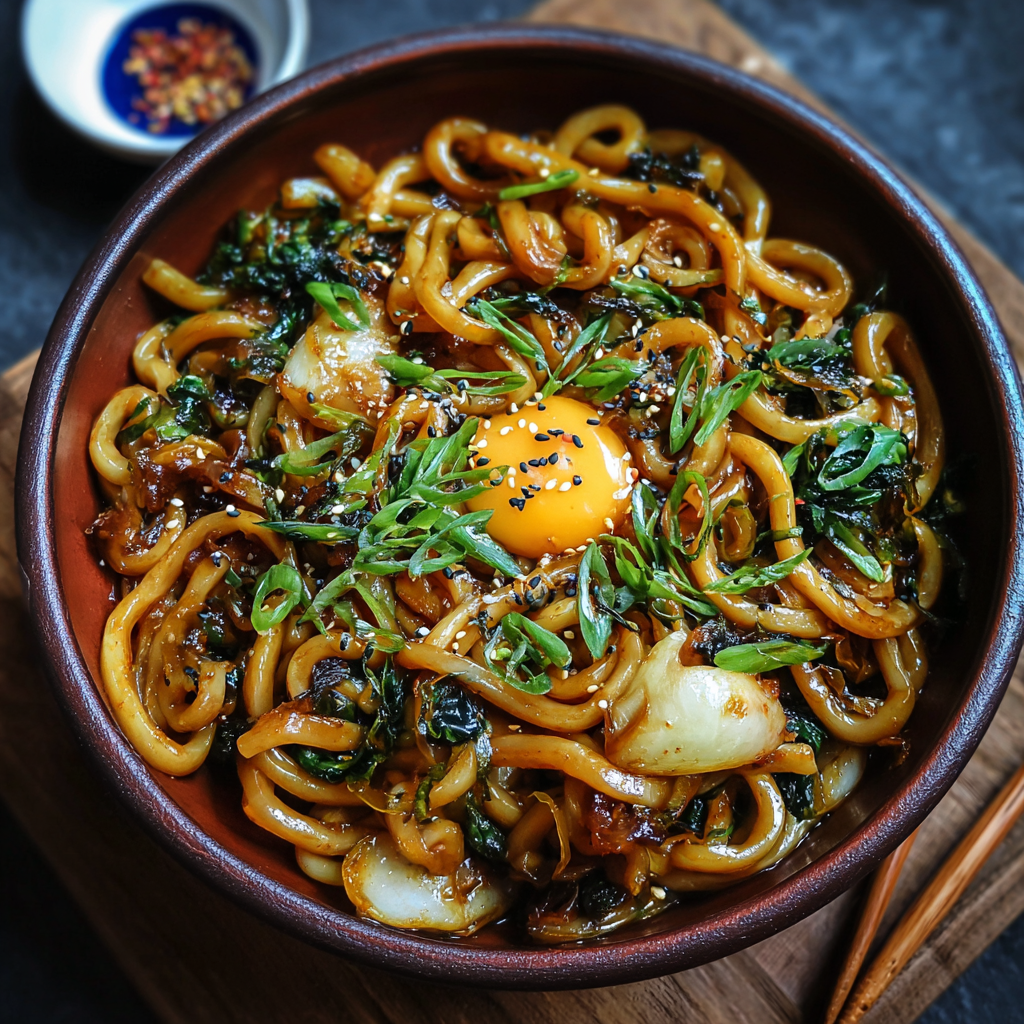
You Must Know
- High in carbohydrates from udon, this makes a satisfying, energy-rich meal; pair with a side of greens to boost fiber and micronutrients.
- Store cooked components separately: noodles and sauce together, vegetables and protein kept slightly apart to avoid sogginess.
- Freezes poorly once combined due to noodle texture change; instead freeze the cooked chicken and vegetables separately for up to 3 months.
- Using low-sodium soy sauce gives control over salt; if you must use regular soy sauce, taste before adding any extra salt.
One of my favorite aspects of this preparation is how forgiving it is. Timing can shift a few minutes without falling apart, and the dish adapts well to substitutions. Family members often request this when they want something flavorful yet familiar, and it has become my go-to for meals that require both speed and comfort.
Storage Tips
To preserve texture, refrigerate components separately. Store noodles and sauce in an airtight container for up to 3 days. Keep cooked chicken and vegetables in a separate container to avoid moisture migration. For reheating, warm gently in a skillet over medium heat with a splash of broth to loosen the sauce; microwaving is fine but can make soft noodles chewier. Do not freeze the combined dish; instead freeze cooked chicken and veggies for up to 3 months and defrost in the refrigerator overnight before recombining with freshly cooked noodles.
Ingredient Substitutions
If you want to swap ingredients, use thick rice noodles as a gluten-free alternative or udon-style shirataki for a lower-carb option. Replace chicken with thinly sliced tofu or tempeh for a vegetarian version; press tofu for firmer texture and sear well to achieve color. Substitute low-sodium tamari or coconut aminos if you require gluten-free options. For deeper umami, add a teaspoon of oyster sauce or a dash of fish sauce, but adjust salt accordingly.
Serving Suggestions
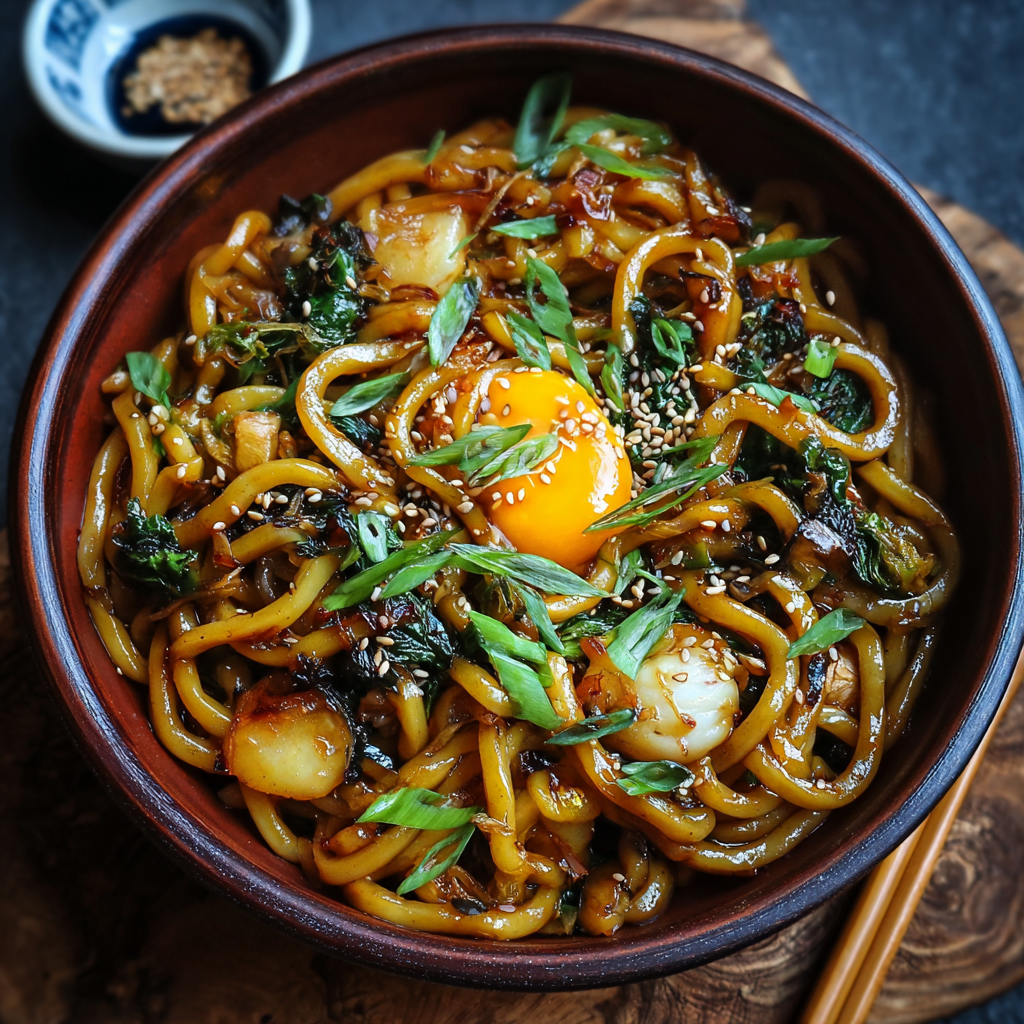
Serve piping hot with an extra sprinkle of chopped green onions and toasted sesame seeds for visual appeal and crunch. A side of quickly blanched bok choy or a simple cucumber salad balances the richness. For a heartier meal, offer steamed edamame or a soft-boiled egg on top. This preparation works well for casual dinners, potlucks, or as part of a multi-course Asian-inspired meal.
Cultural Background
Udon is a traditional Japanese wheat noodle known for its thick, chewy texture. Yaki udon, meaning fried udon, is a homestyle stir-fry that showcases quick-cooking techniques and bold seasoning while keeping ingredients minimal. It likely evolved from the need to use leftovers and make a substantial, satisfying meal quickly. Regional variations in Japan can include different proteins, local vegetables, and seasoning tweaks like adding dashi or mirin for added depth.
Seasonal Adaptations
In spring, swap bell peppers for sugar snap peas and add a handful of baby spinach at the end. During autumn and winter, use roasted root vegetables like parsnips and sweet potato ribbons and increase the broth by a splash for a cozier sauce. For summer, keep it light with zucchini ribbons and more fresh herbs like cilantro or Thai basil to brighten the plate.
Meal Prep Tips
Prepare components ahead: cook and cool noodles, roast or sear protein, and julienne vegetables. Store each in separate airtight containers in the refrigerator. When ready to eat, reheat a skillet, combine everything with soy sauce and a little broth, and toss until heated through—this takes just a few minutes and preserves the crispness of the vegetables.
Sharing this plate with friends always brings back memories of impromptu dinners and relaxed conversations. It is an approachable, satisfying dish that you can make your own with small tweaks. Try it this week and adapt the ingredients to what you have at hand; I guarantee it will become a regular in your rotation.
Pro Tips
Toss drained noodles with a teaspoon of sesame oil immediately after cooking to stop sticking and to add flavor.
Slice proteins thinly across the grain for quicker cooking and a more tender bite.
Cook vegetables until tender-crisp to preserve color and texture and to avoid a mushy result.
This nourishing yaki udon noodles recipe is sure to be a staple in your kitchen. Enjoy every moist, high protein slice — it is perfect for breakfast or as a wholesome snack any time.
FAQs about Recipes
How long do I cook udon noodles?
Cook udon according to package instructions. Fresh udon typically takes 2 to 4 minutes, while dried may take longer. Drain well and toss with a little sesame oil to prevent sticking.
Can I make this gluten-free?
Yes. Use tamari or coconut aminos and ensure the udon is gluten-free. Also replace regular soy sauce with gluten-free tamari for safe consumption.
Tags
Yaki Udon Noodles
This Yaki Udon Noodles recipe makes perfectly juicy, tender, and flavorful steak every time! Serve with potatoes and a side salad for an unforgettable dinner in under 30 minutes.
Ingredients
Noodles
Oils & Seasoning
Protein
Vegetables
Liquids & Aromatics
Instructions
Cook the noodles
Bring salted water to a boil and cook 8 oz udon according to package instructions, usually 2–4 minutes for fresh. Drain thoroughly and toss with 1 teaspoon sesame oil to prevent sticking. Spread on a plate to cool slightly.
Sear the chicken
Heat 1/2 tablespoon sesame oil in a large skillet over medium-high heat until shimmering. Add sliced chicken in a single layer, let sit 1 minute to brown, then stir and cook 5–7 minutes until cooked through and lightly caramelized. Remove to a plate.
Stir-fry the vegetables
Add remaining 1/2 tablespoon sesame oil to the skillet if needed. Stir-fry sliced bell peppers and julienned carrots 3–4 minutes until tender-crisp but still bright.
Combine and sauce
Return chicken to the skillet with vegetables. Add drained udon, 3 tablespoons low-sodium soy sauce, and 1/2 cup vegetable broth. Toss with tongs and stir-fry 1–2 minutes until the sauce slightly reduces and coats the noodles.
Finish and serve
Stir in minced garlic in the final minute to become fragrant but not bitter. Remove from heat, sprinkle with chopped green onions, toss, and serve immediately while hot.
Last Step: Please leave a rating and comment letting us know how you liked this recipe! This helps our business to thrive and continue providing free, high-quality recipes for you.
Nutrition
Did You Make This?
Leave a comment & rating below or tag
@easywhiskrecipes on social media!
Categories:
You might also like...
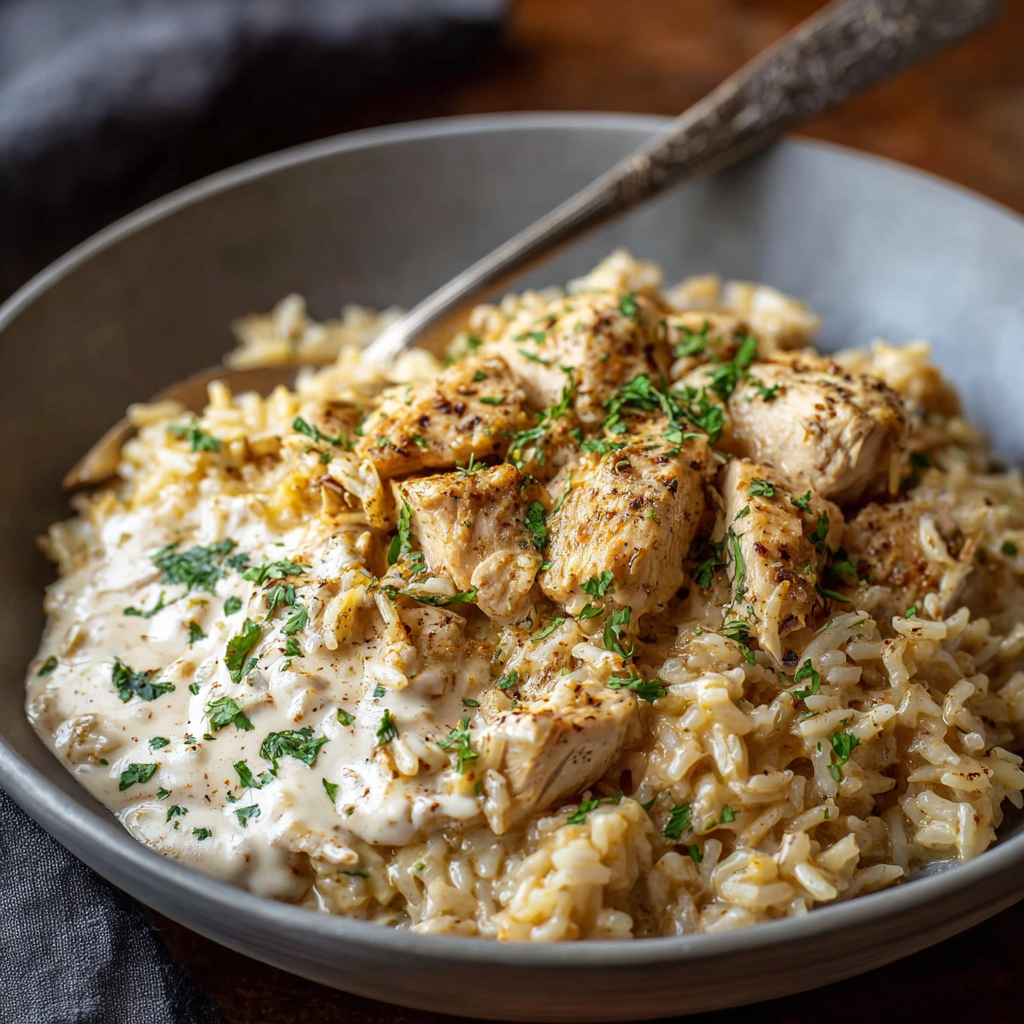
Instant Pot Creamy Chicken and Rice
A quick and comforting one pot dinner of tender chicken, creamy rice, and vegetables cooked together in the Instant Pot for an easy weeknight meal.
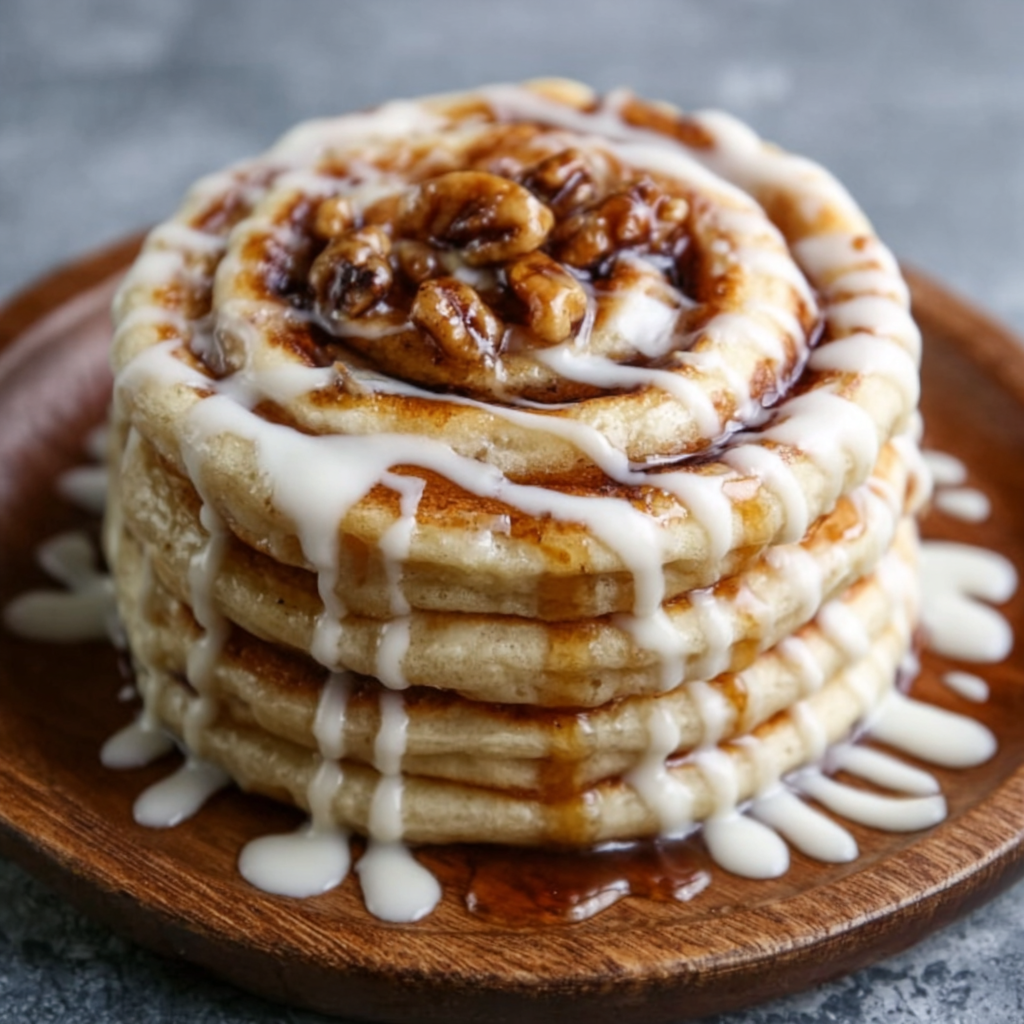
Cinnamon Roll Pancake Stacks
Fluffy pancakes swirled with a warm cinnamon filling and finished with a silky cream cheese glaze. Perfect for weekend brunches and cozy mornings.
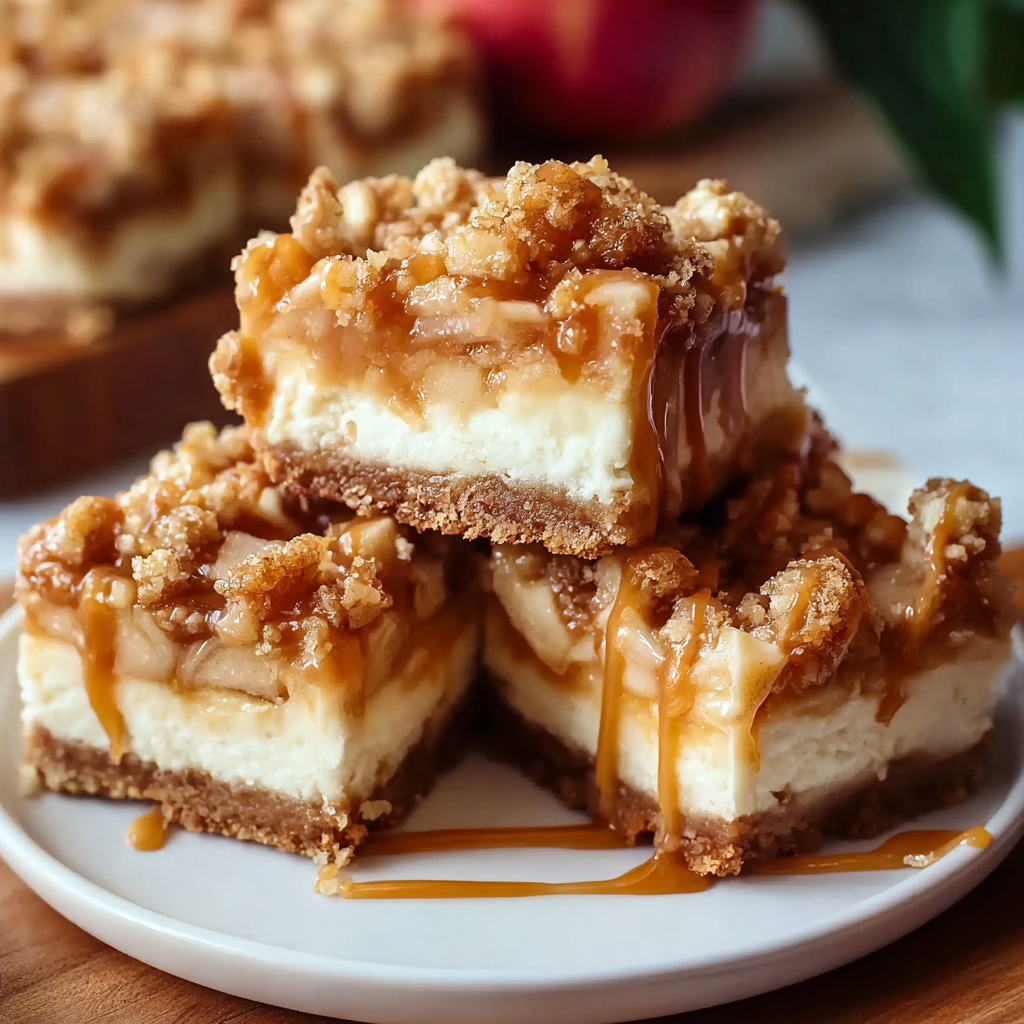
Caramel Apple Cheesecake Bars
Buttery graham crust, creamy cheesecake, spiced Granny Smith apples, crunchy streusel, and a ribbon of homemade caramel — perfect dessert bars for gatherings.
Did You Make This?
Leave a comment & rating below or tag @easywhiskrecipes on social media!
Rate This Recipe
Share This Recipe
Enjoyed this recipe? Share it with friends and family, and don't forget to leave a review!
Comments (1)
This recipe looks amazing! Can't wait to try it.
Comments are stored locally in your browser. Server comments are displayed alongside your local comments.

Hi, I'm Sophie!
What's Popular
30-Minute Meals!
Join to receive our email series which contains a round-up of some of our quick and easy family favorite recipes.